Cuba Dreams On
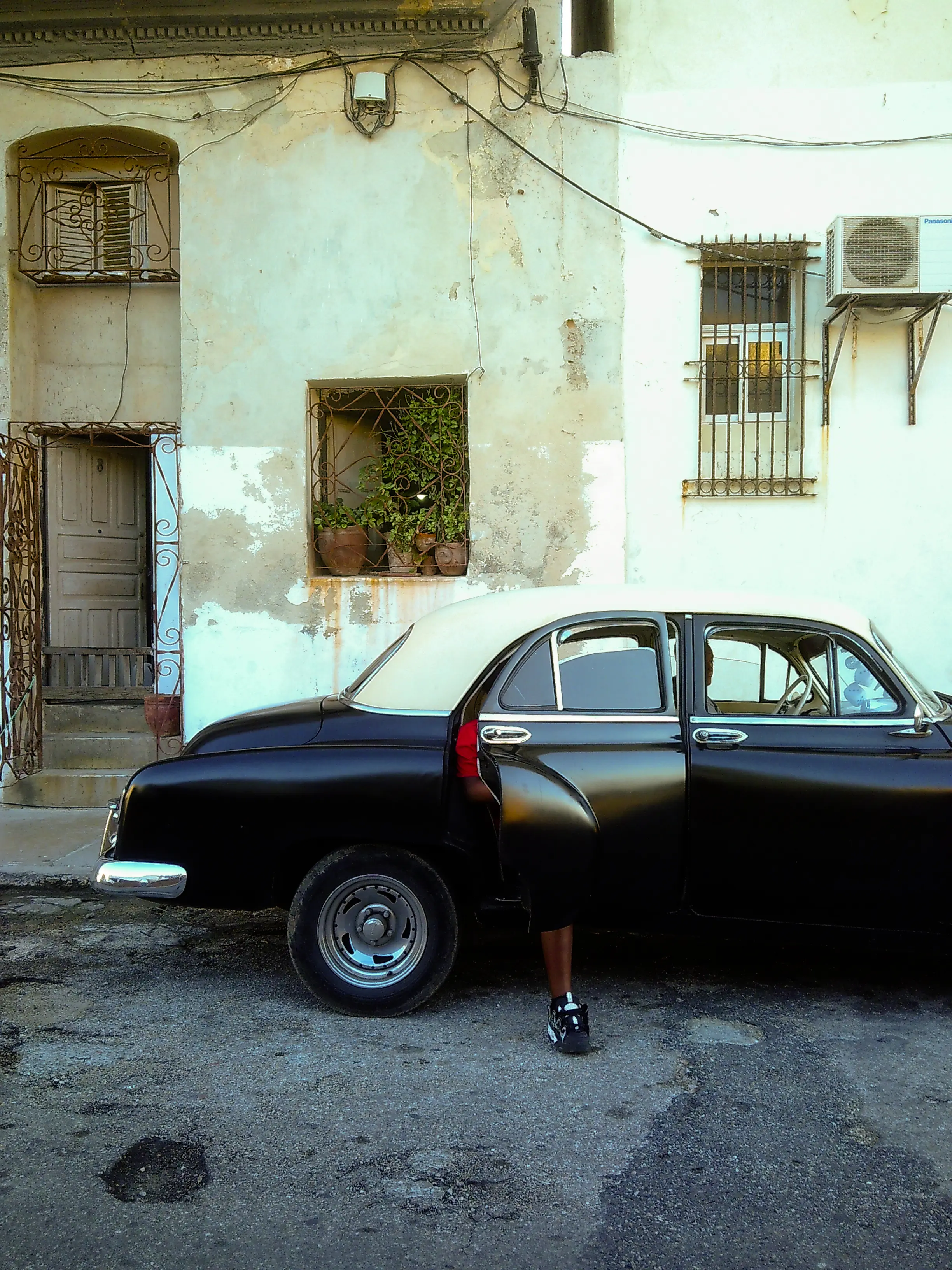
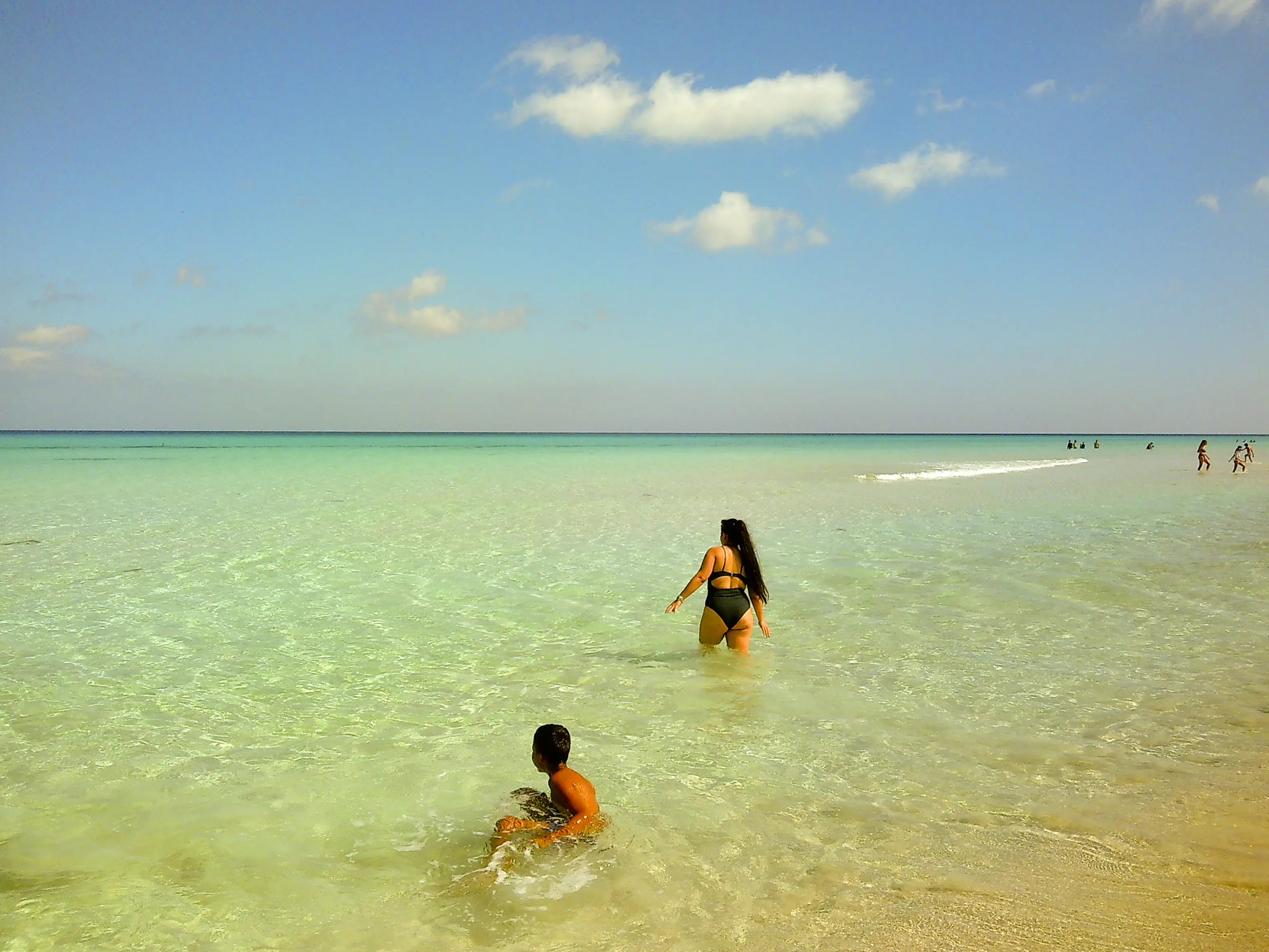
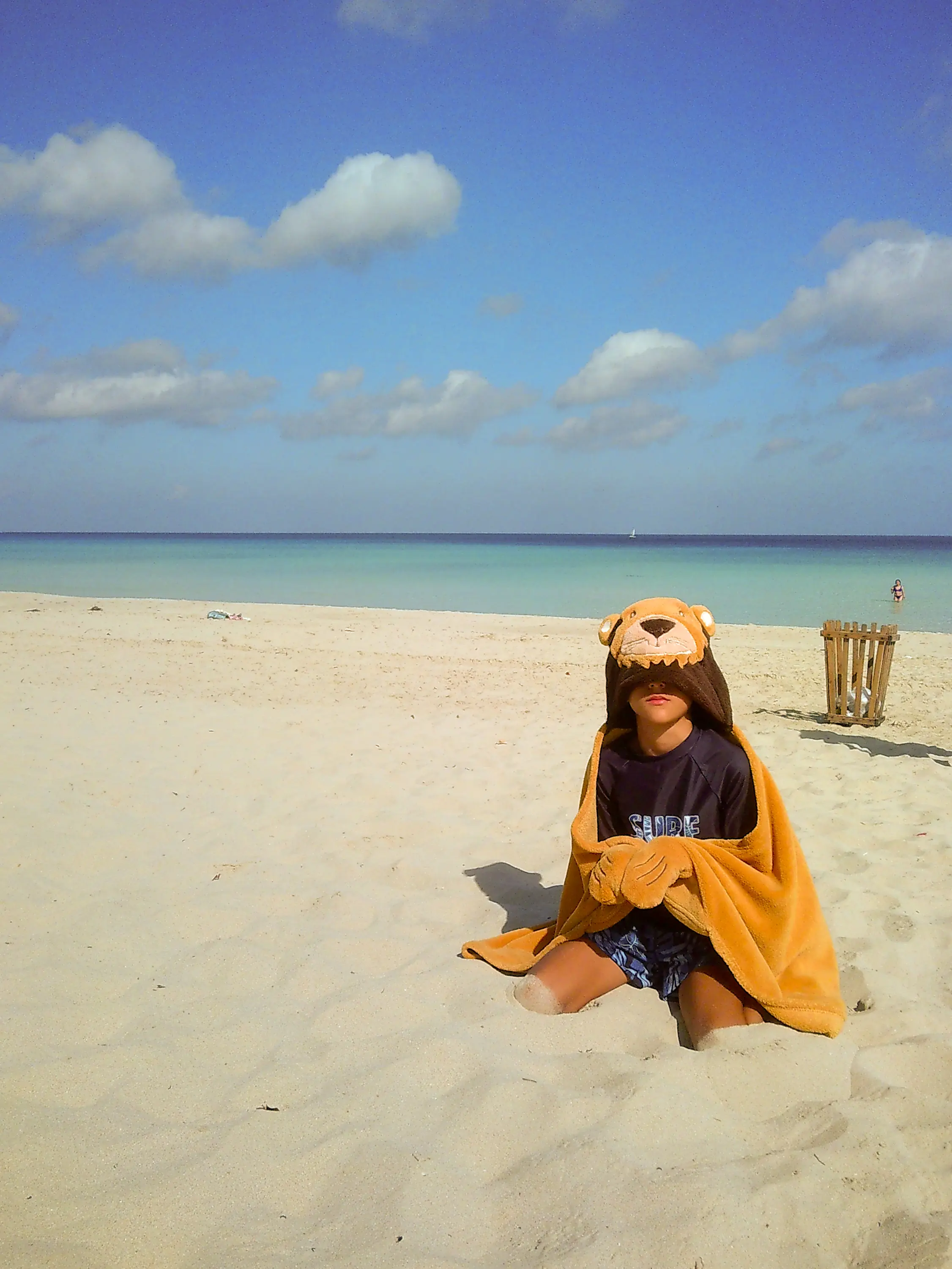
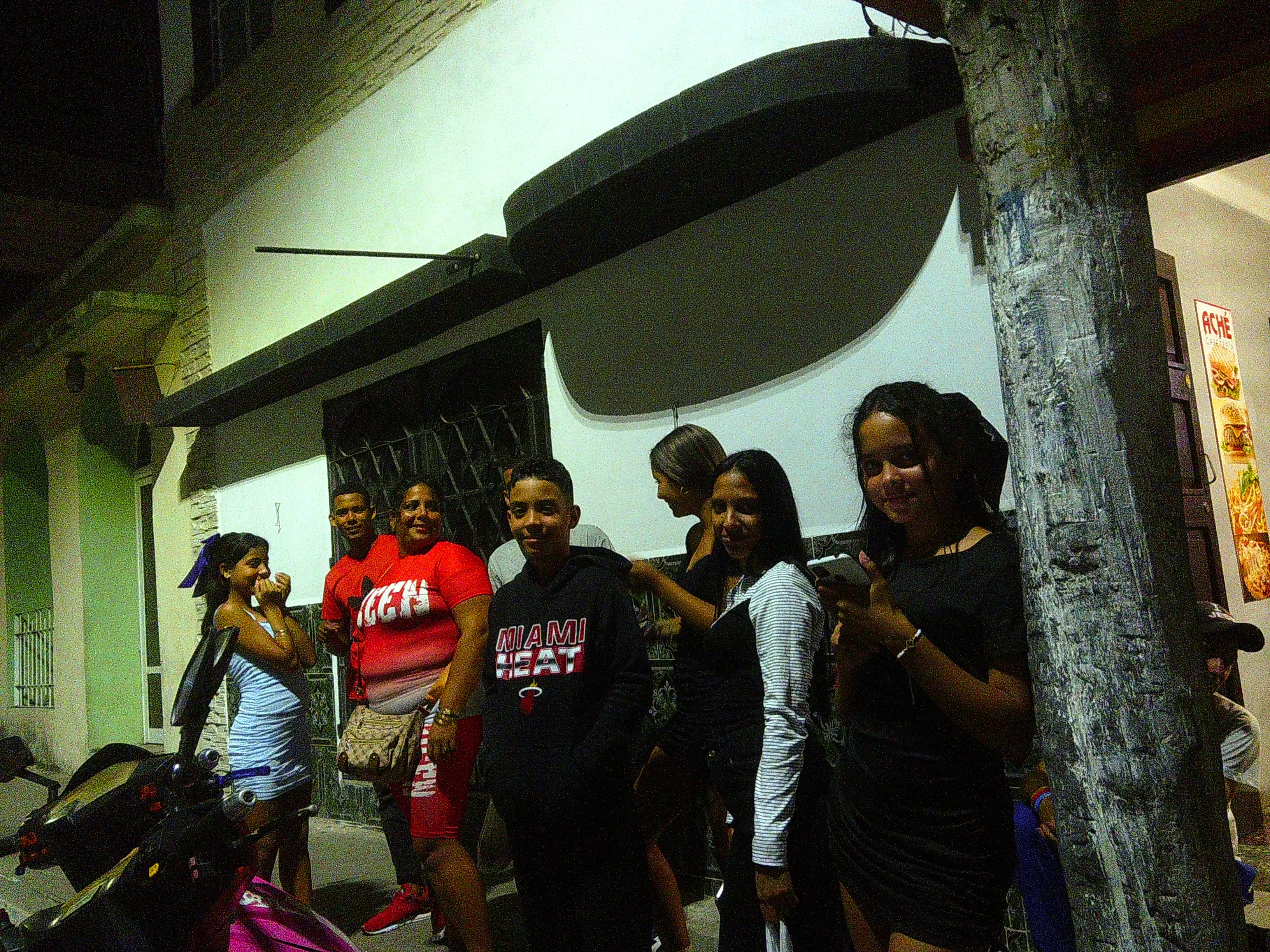
Spring in La Habana smells like humid wood crushed by the night heavy rain. Gasoline spilled over the back seat of a 'taxi collectivo’. Freshly-squeezed guava juice. It smells like the sweat of children running on the street. And the hopes of their older brothers and sisters, hanging out in Vedado, openly displaying a weak spot for US fashion models.
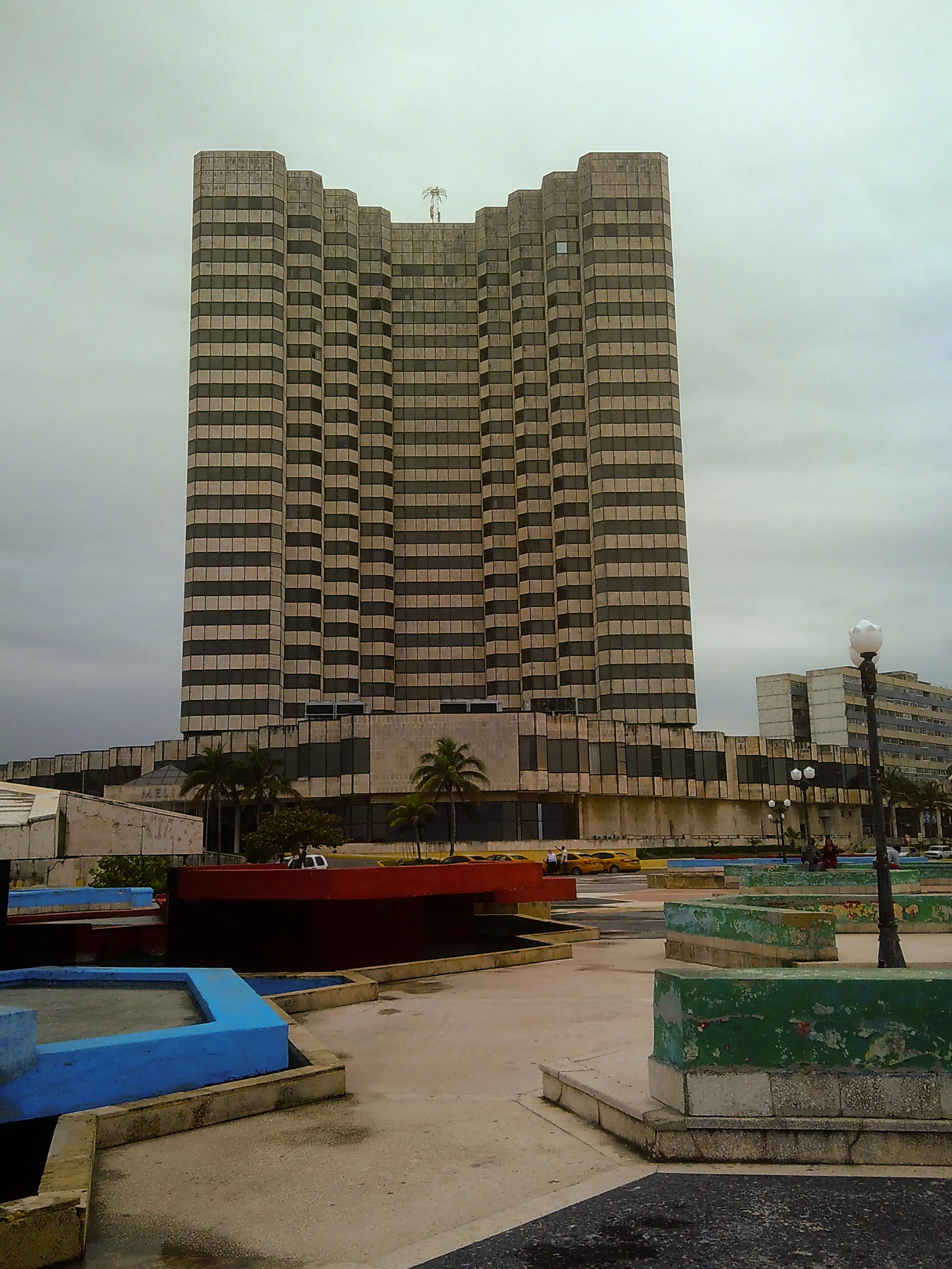
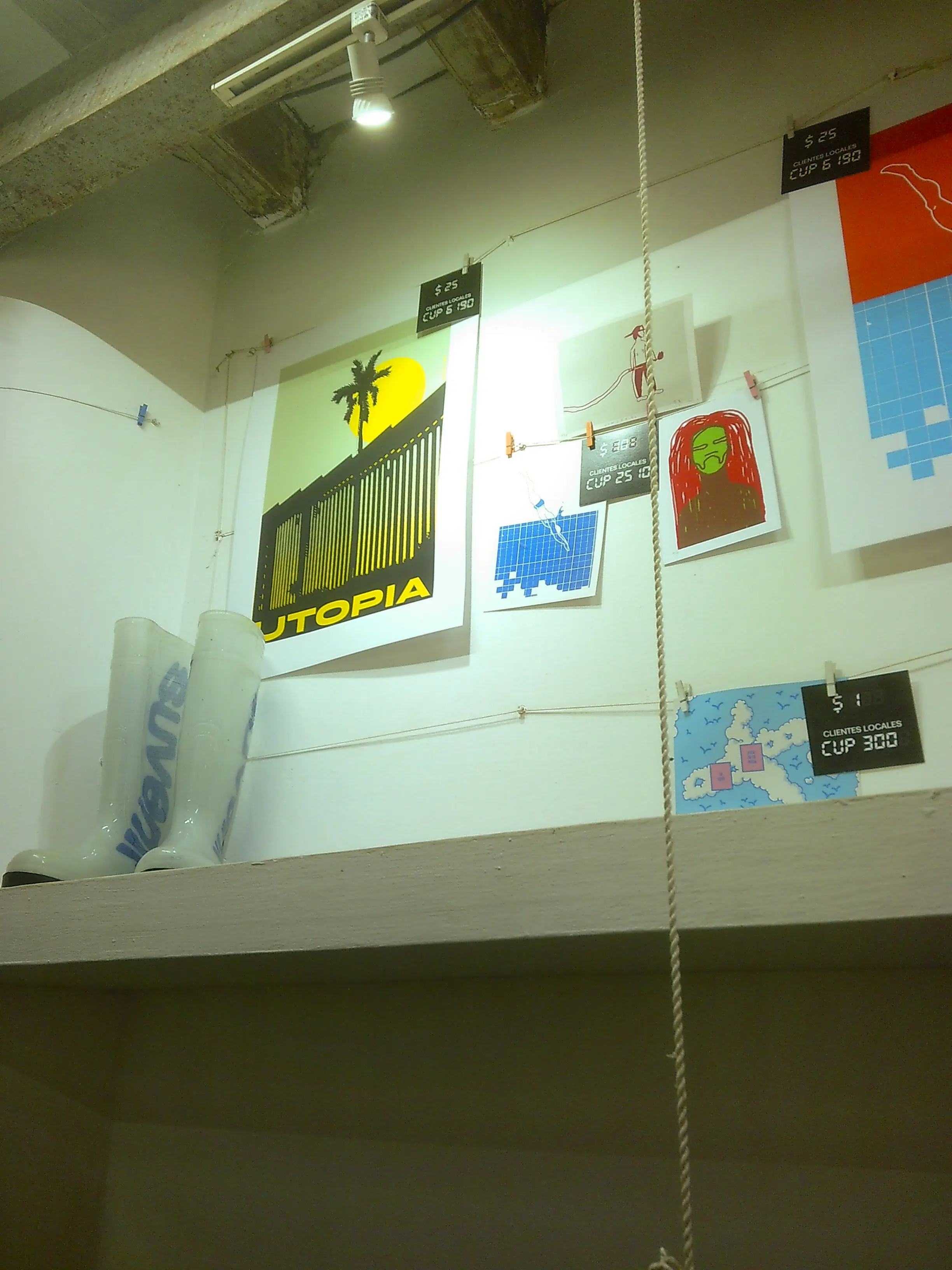
In Cuba, the old dream, the utopia of a just society, has faded away. The empty space it left was filled by disappointment, frustration, resentment. Total electricity blackouts, the apagones, became a normality everywhere on the island. Employees, teachers, doctors, blue- and white-collar workers, earn 12 dollars per month, just enough to buy 30 eggs. Those in need of hospital treatment must buy syringes and gauzes in the black market, so that the surgeons have the means to operate them. Families are split across the sea and grandparents cannot visit their grandchildren. They were born from their sons and daughters, who sought a better life painfully emigrating to the US. The majority of Cubans refrain from sharing what they think about their government in public, fearing whistleblowing and retaliation, the loss of their job or their chance to get a university degree.
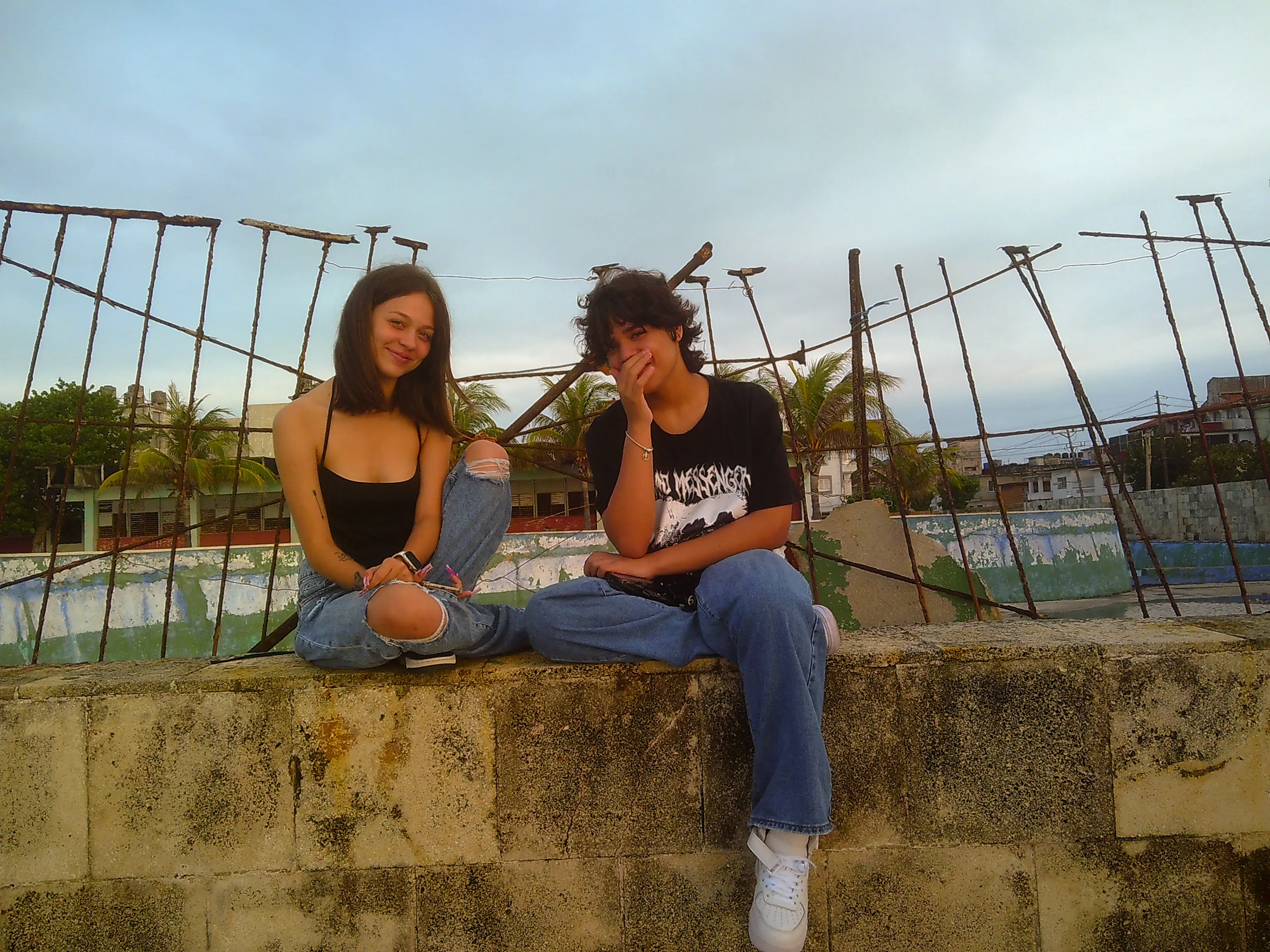
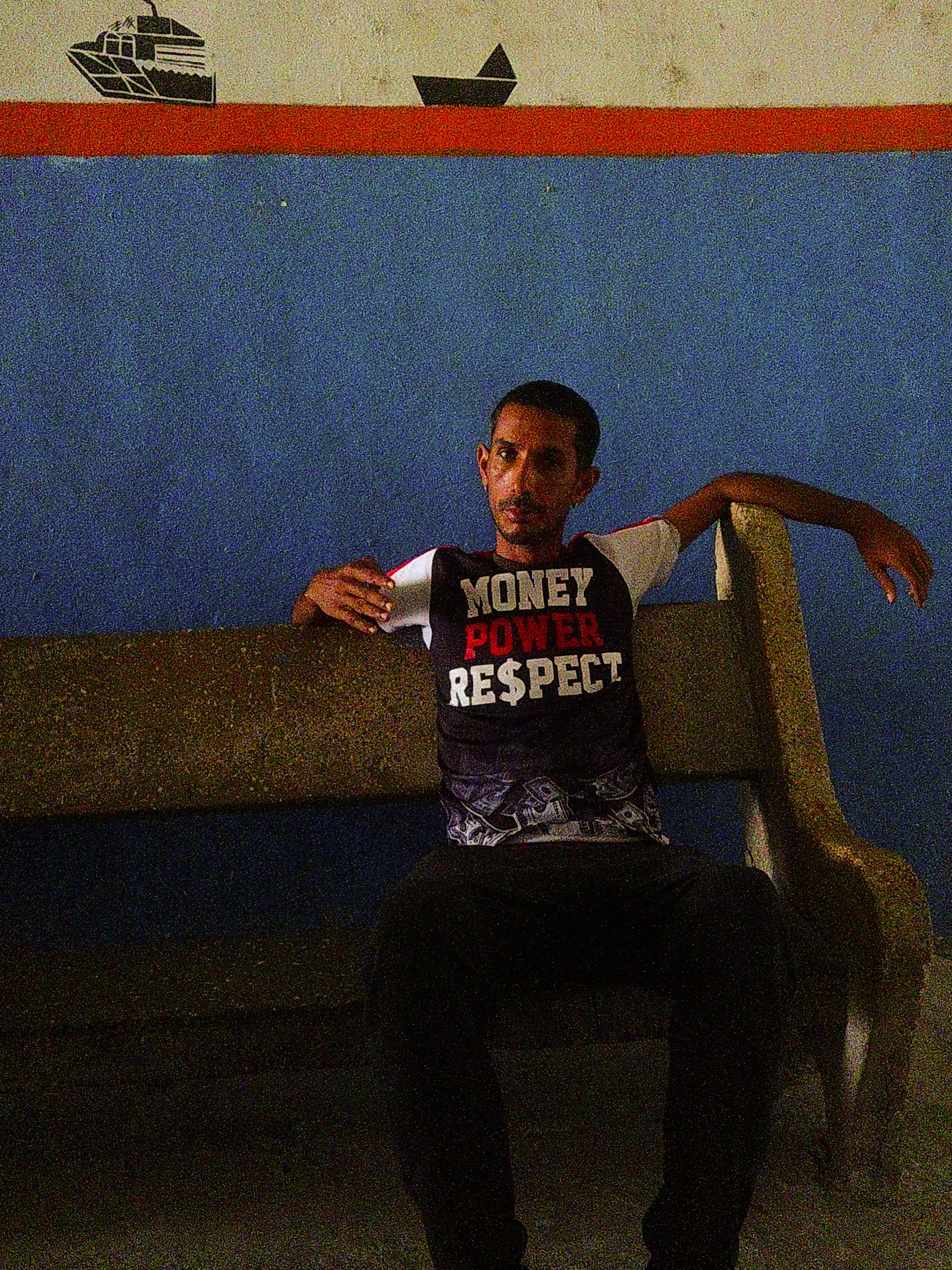
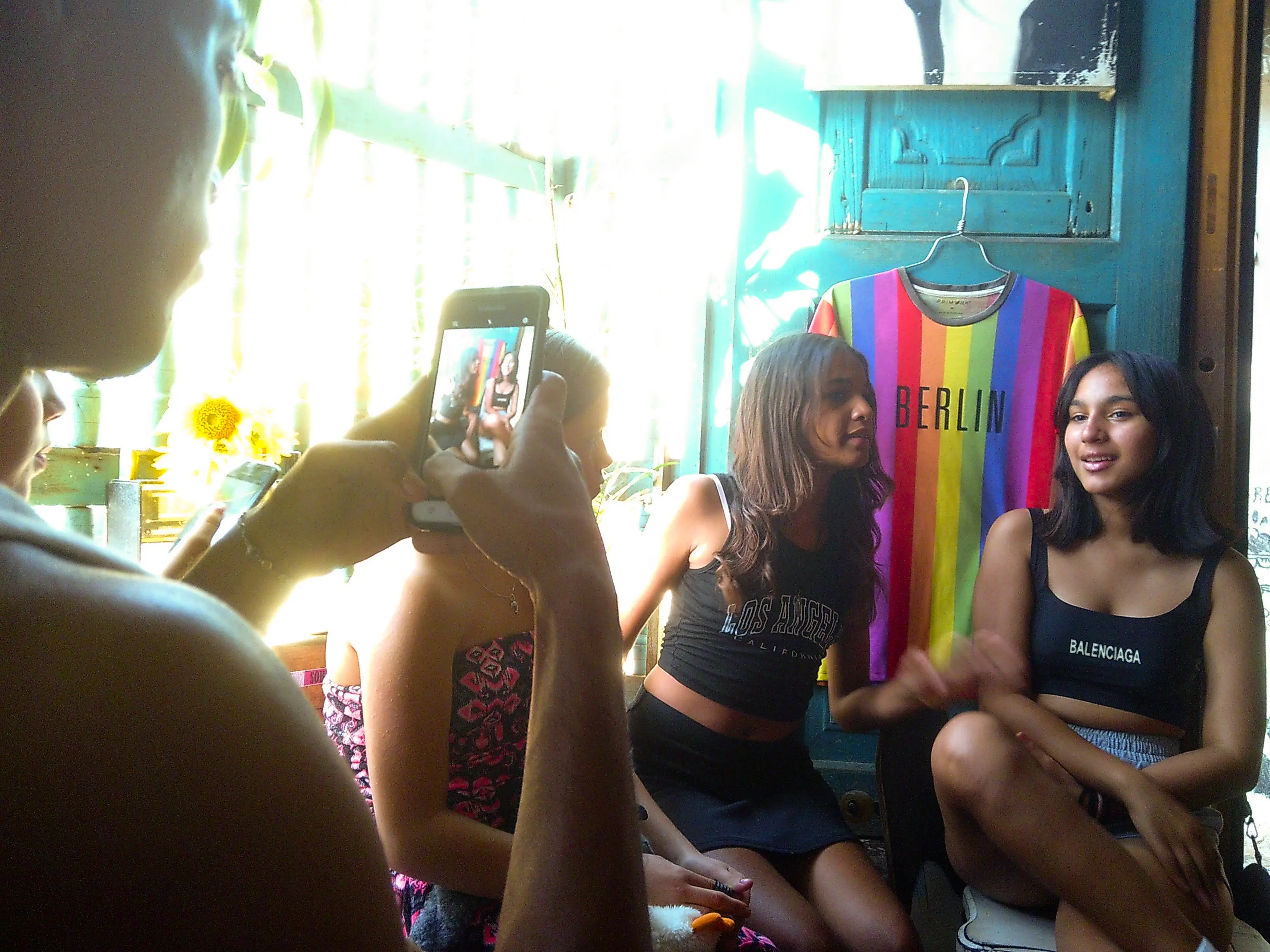
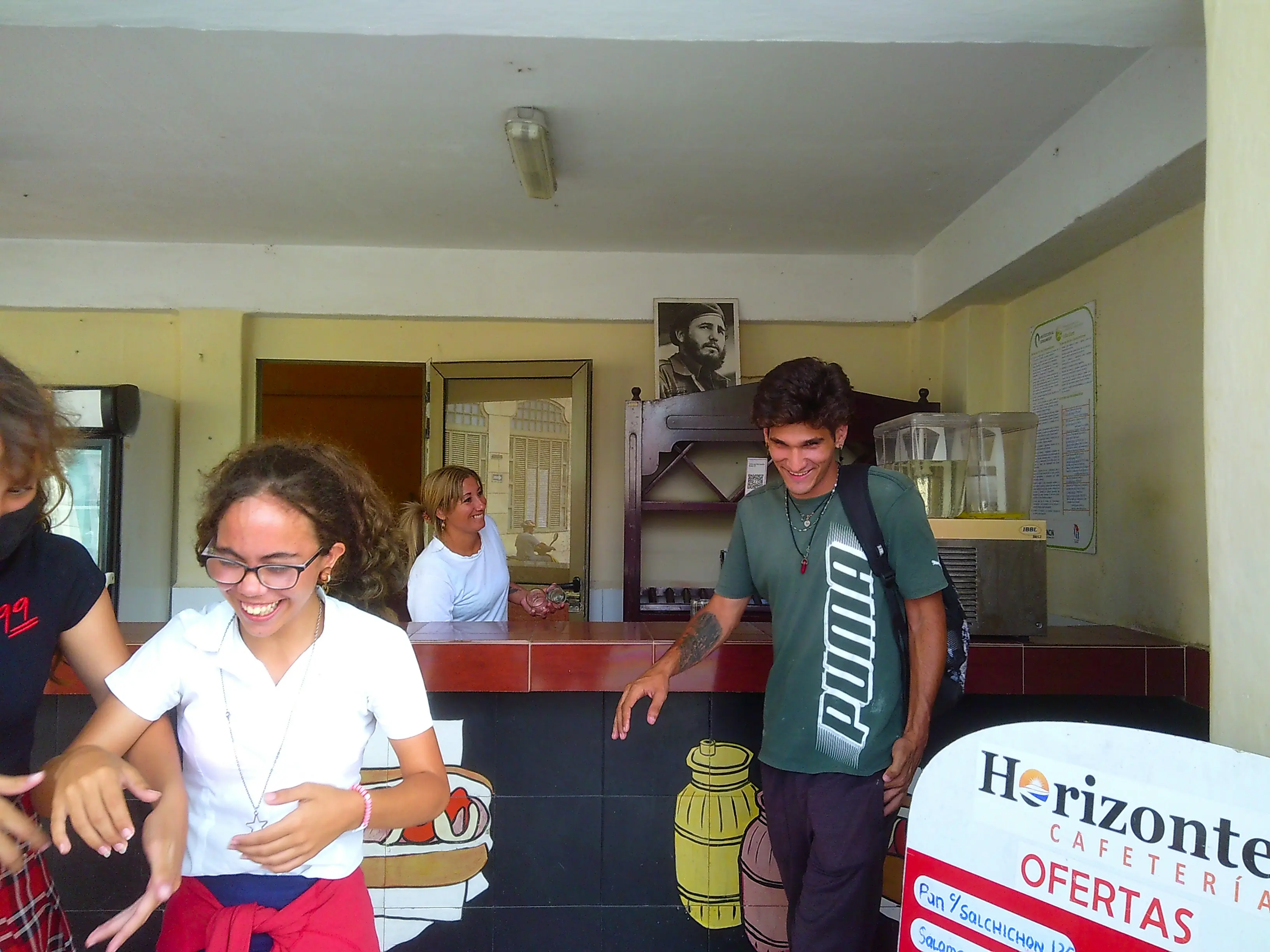
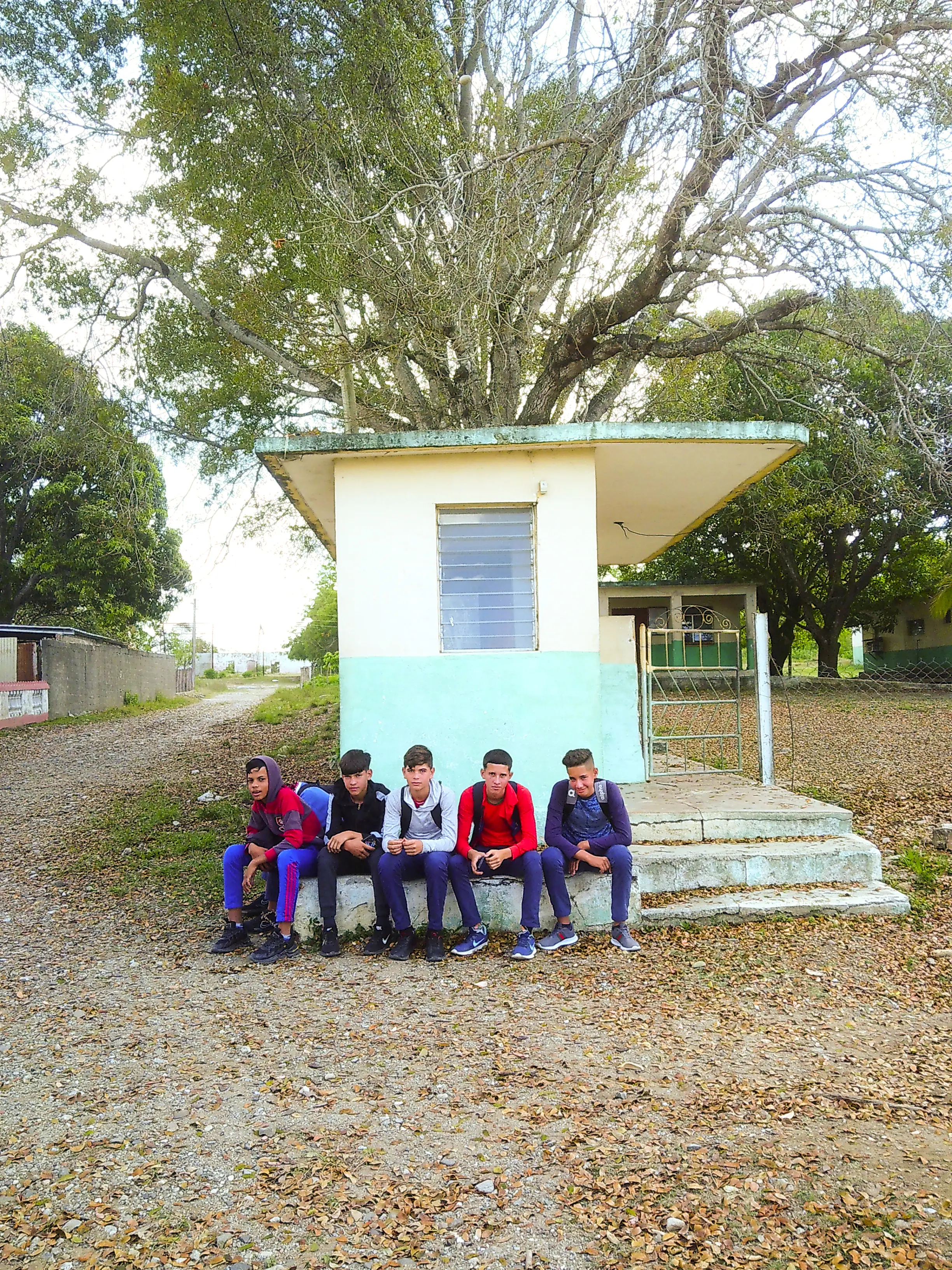
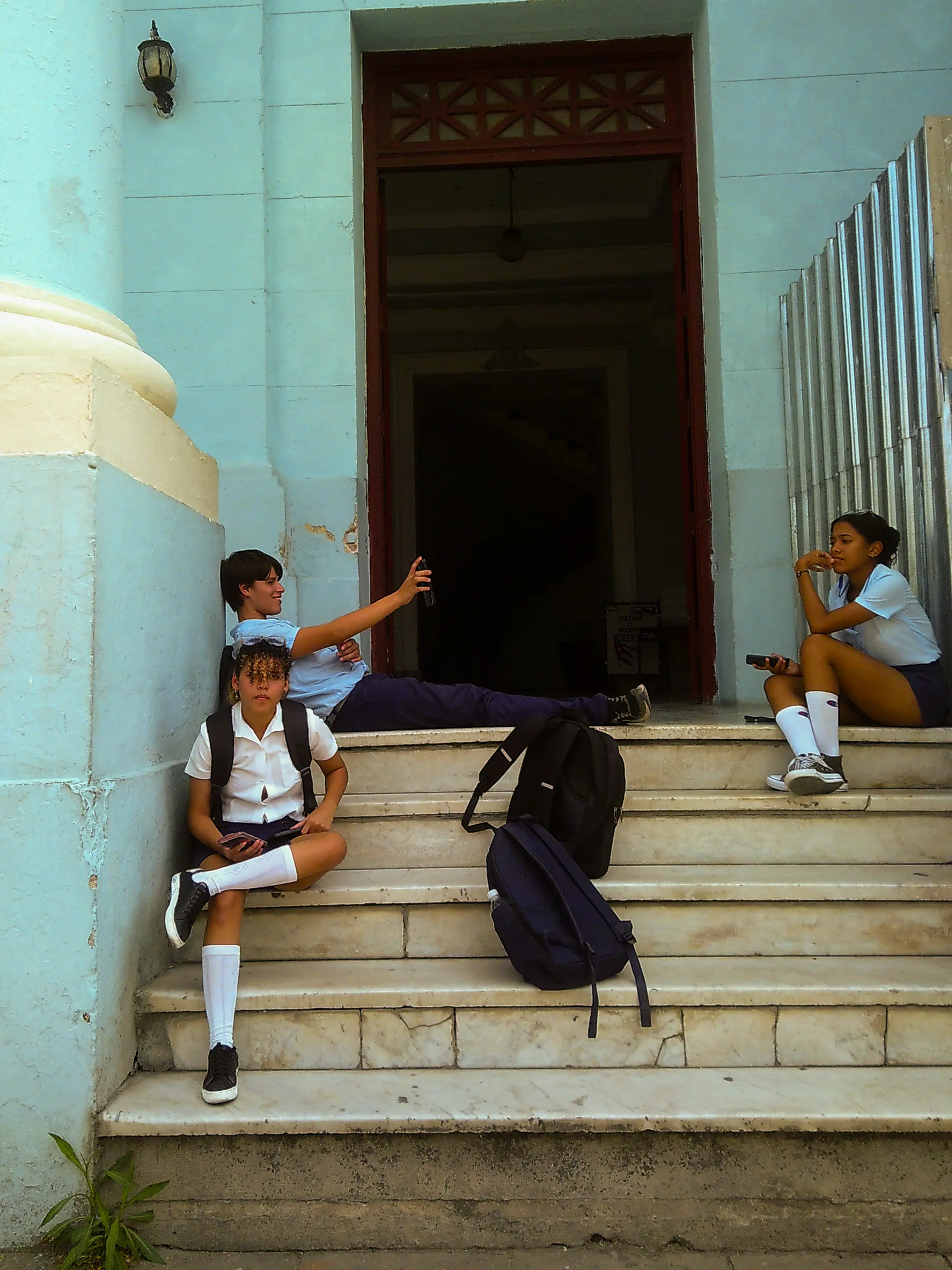
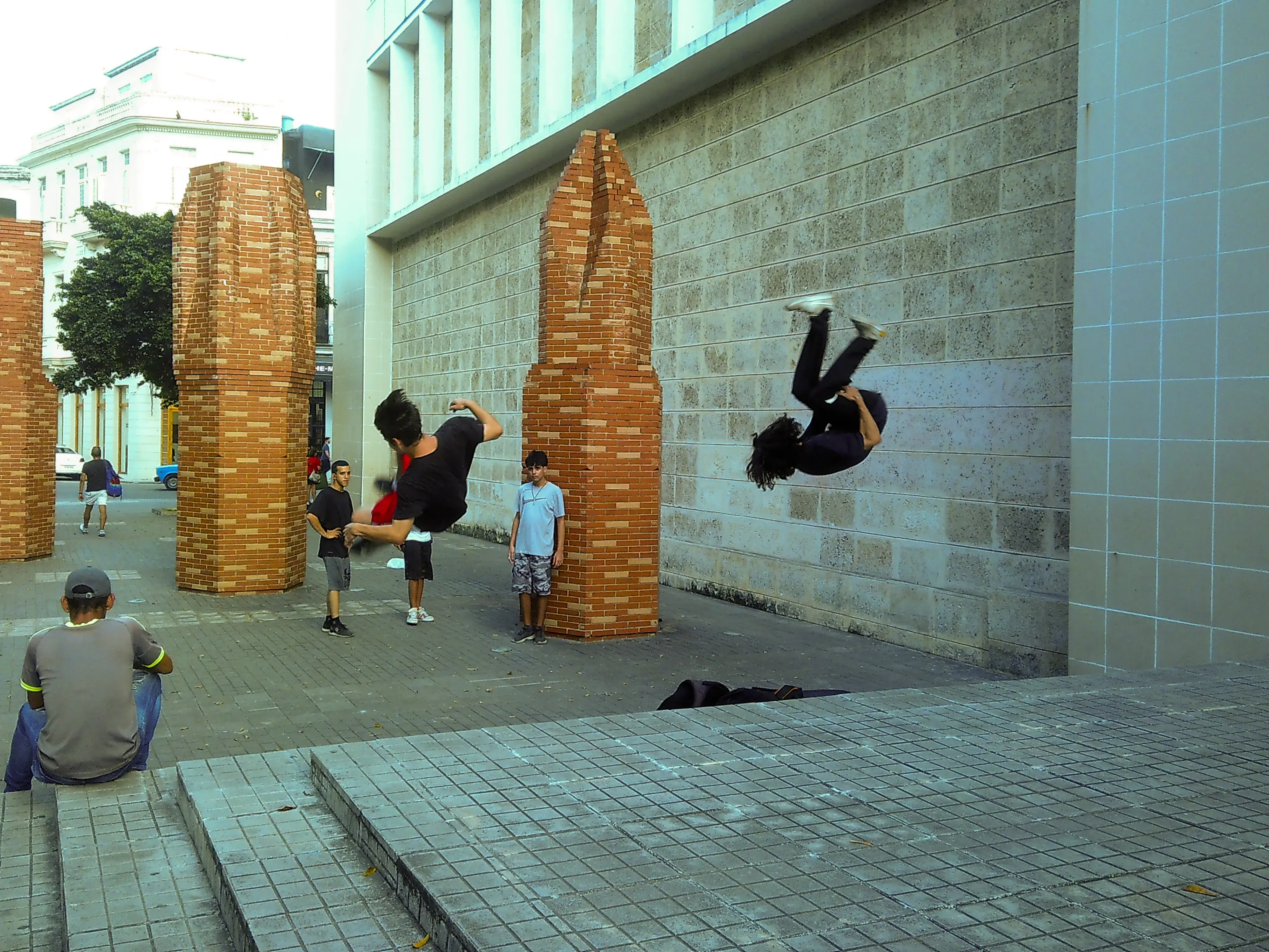
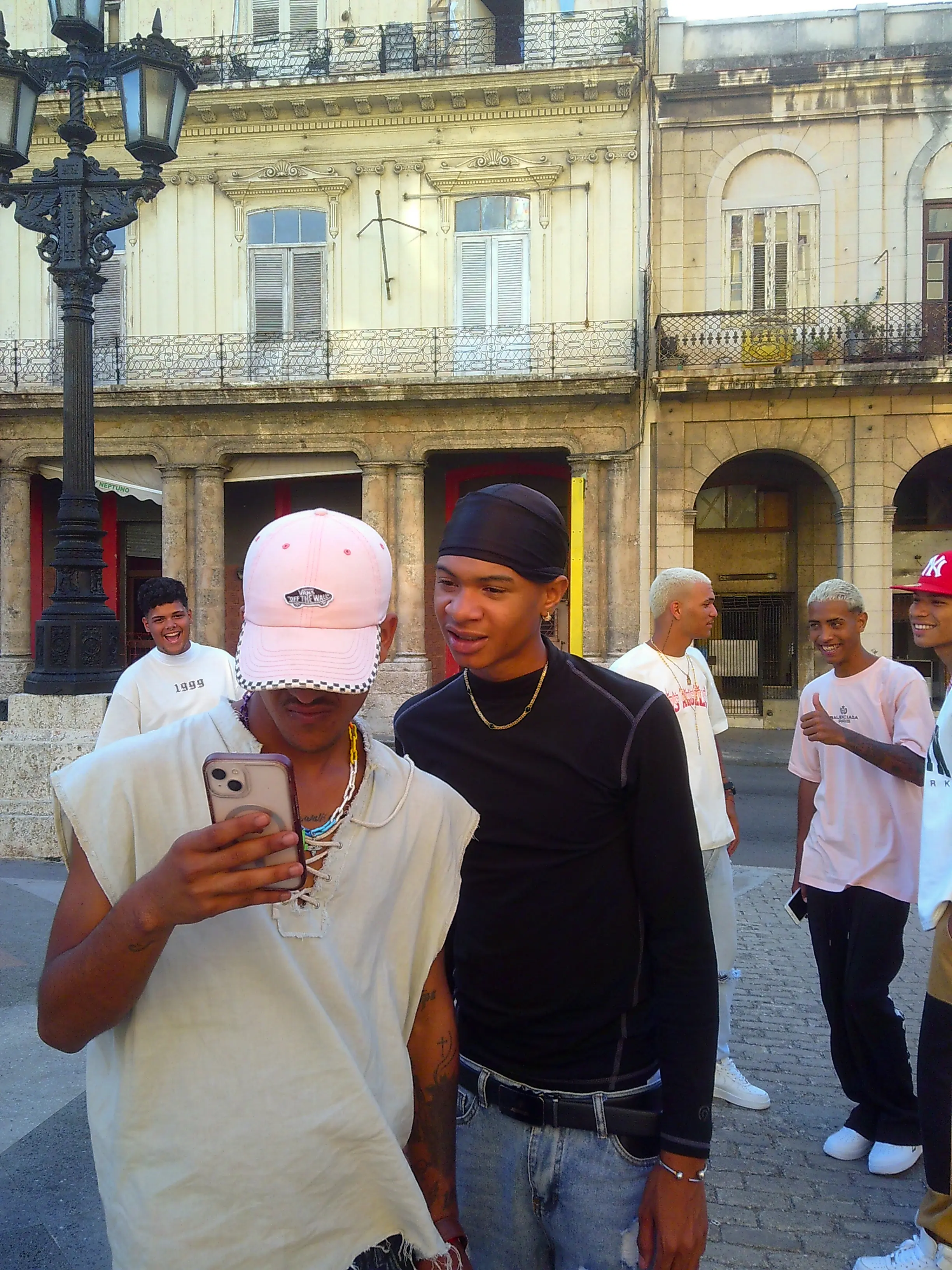
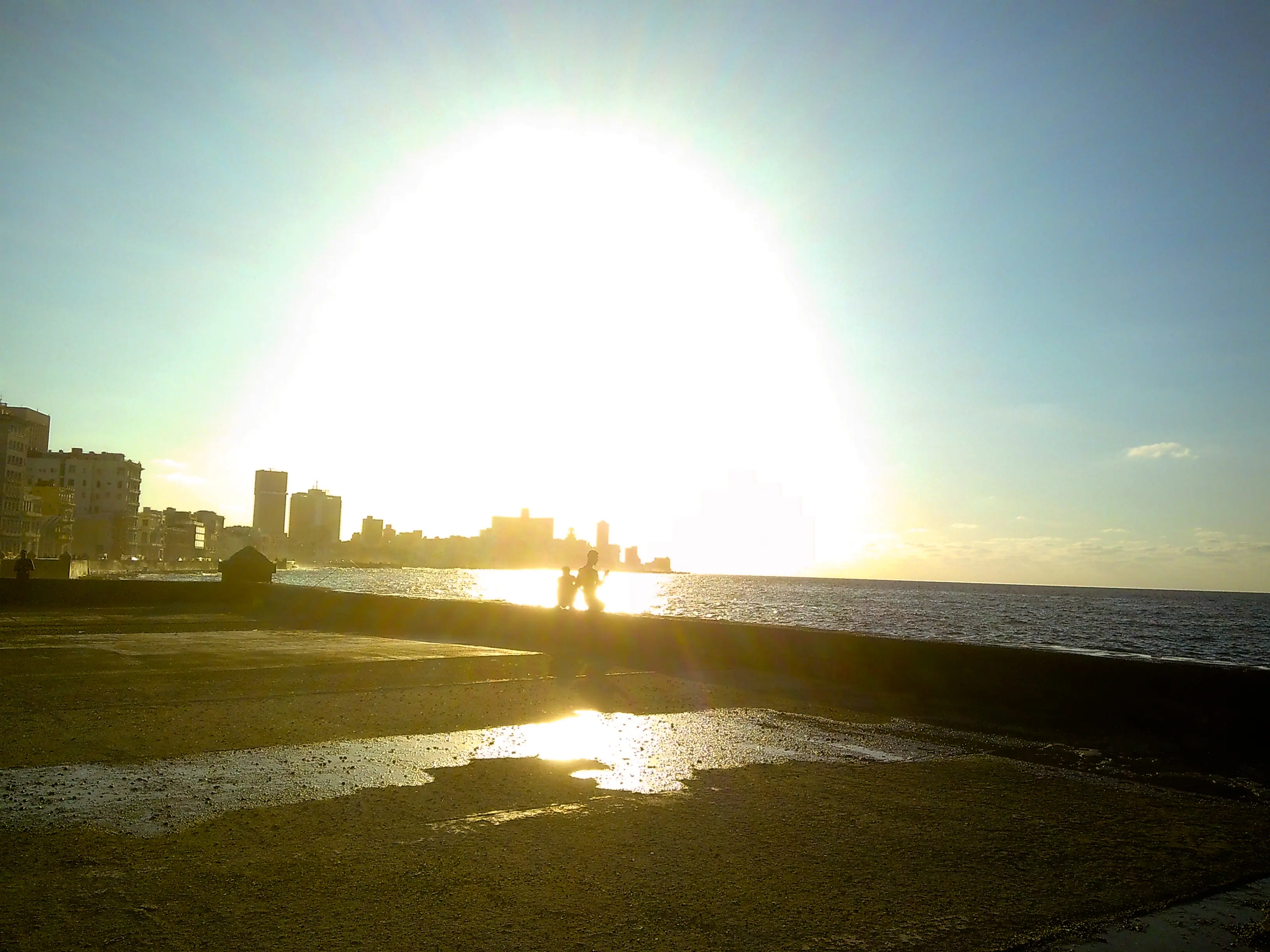
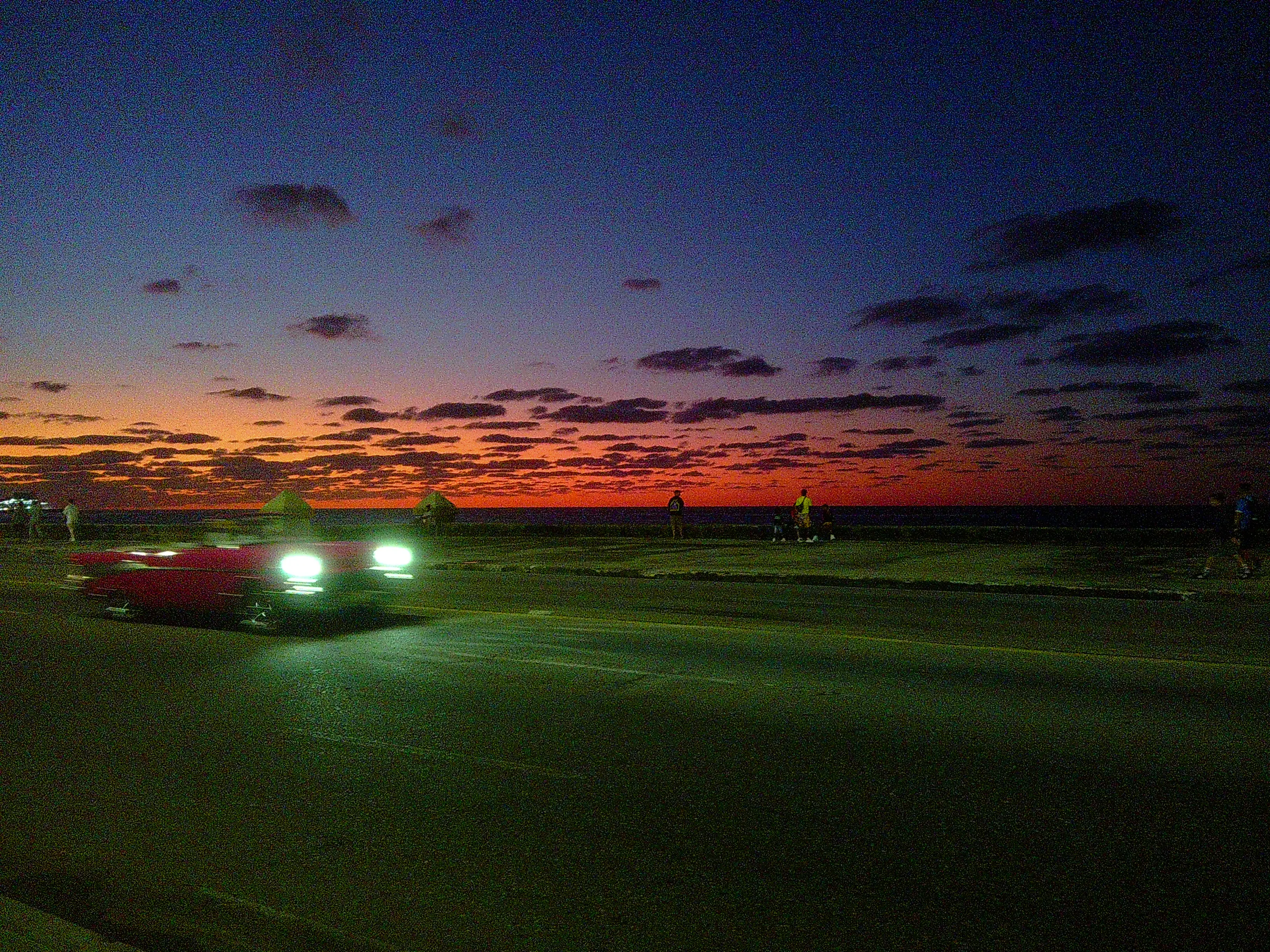
Yet, the new generations of Cubans have lost everything but their imagination. They dream a future of careless freedom, like their Western peers seem to enjoy on their Instagram profiles. Young Cubans keep dreaming in schools, in bars, where rainbow flags are now taking the place of the Che, in old Chevrolets and Russian Ladas. Their gaze seem to know no boundaries, standing in front of the waves, at dusk, on the Malecon.
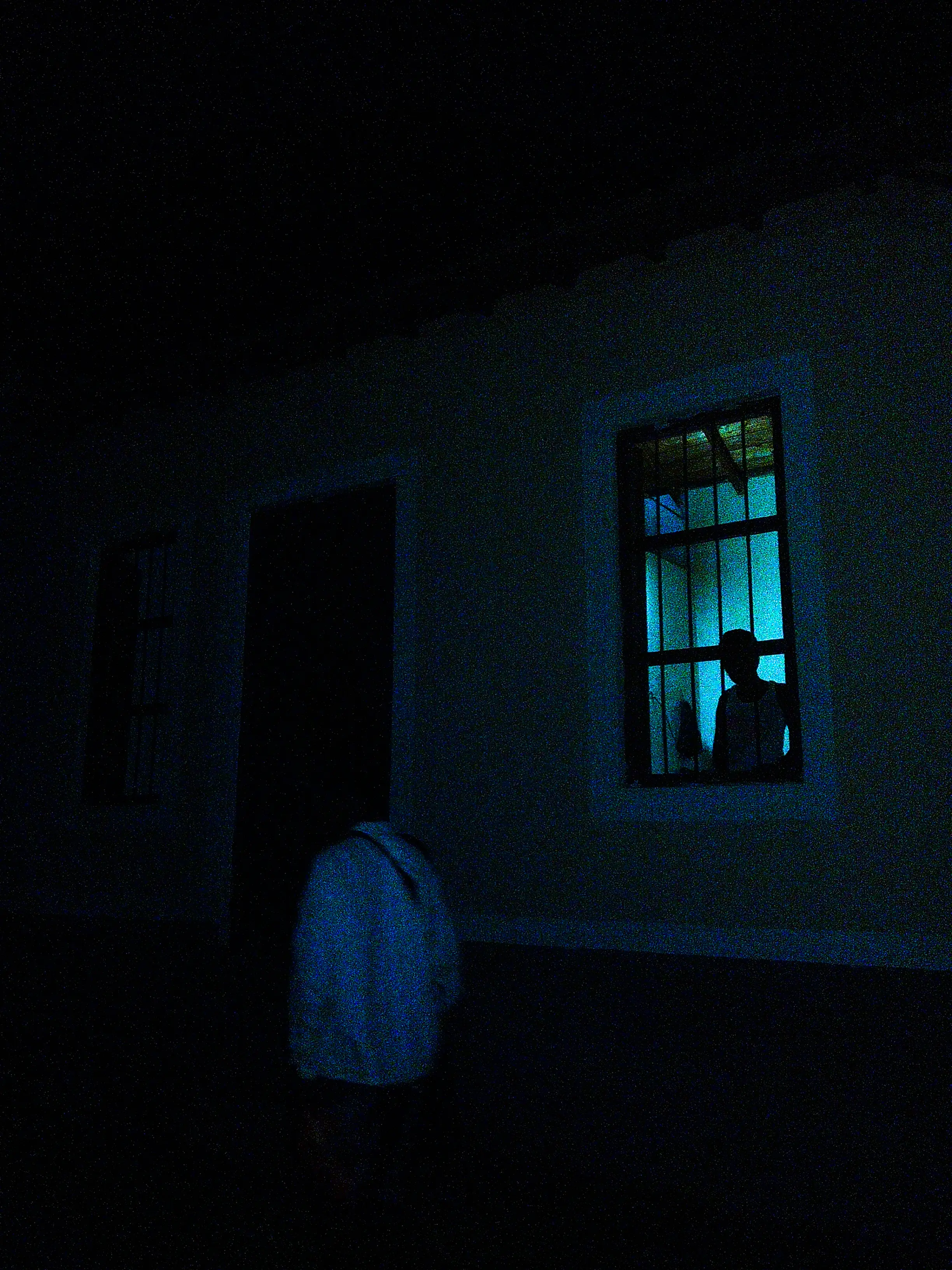
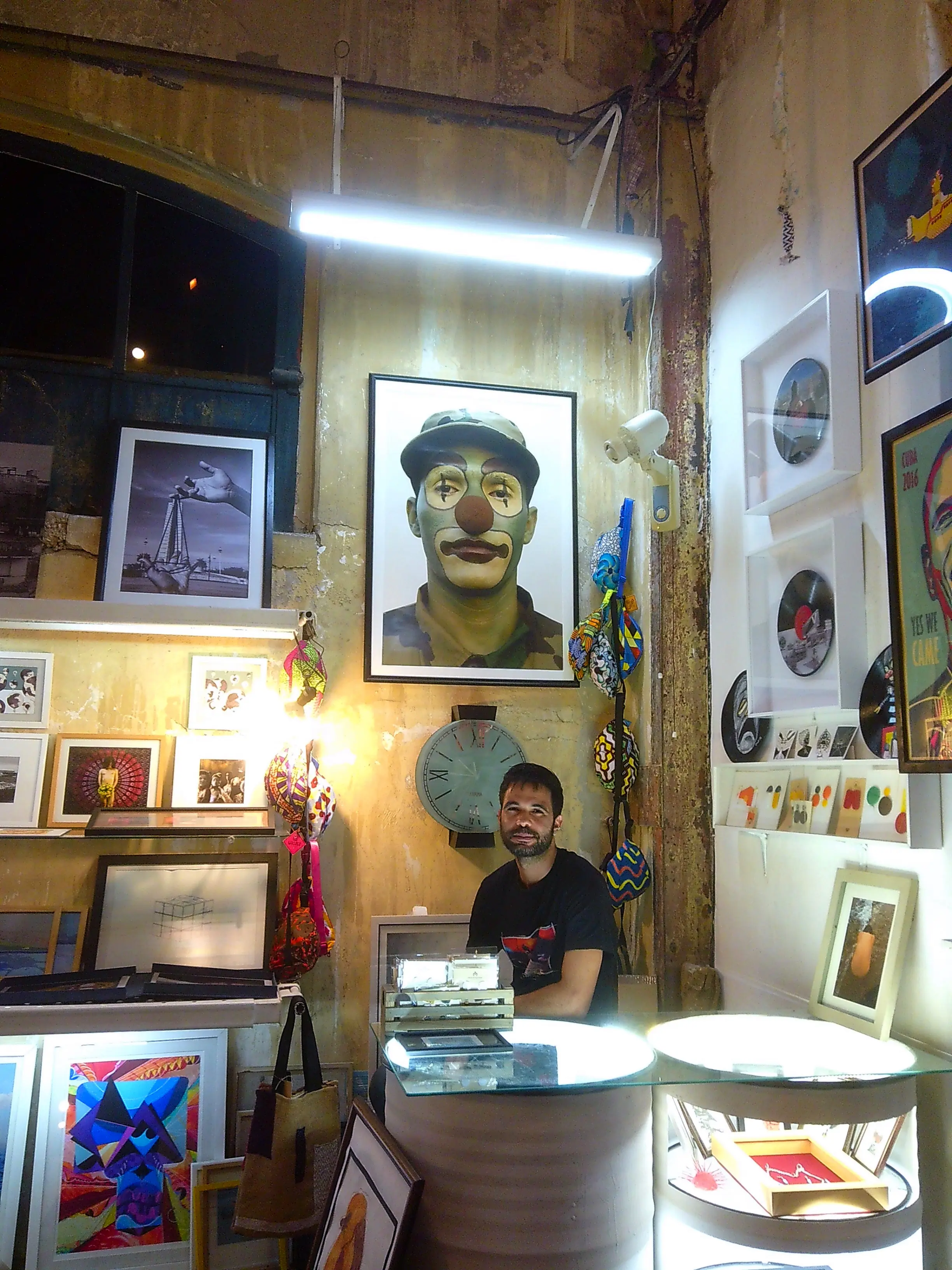
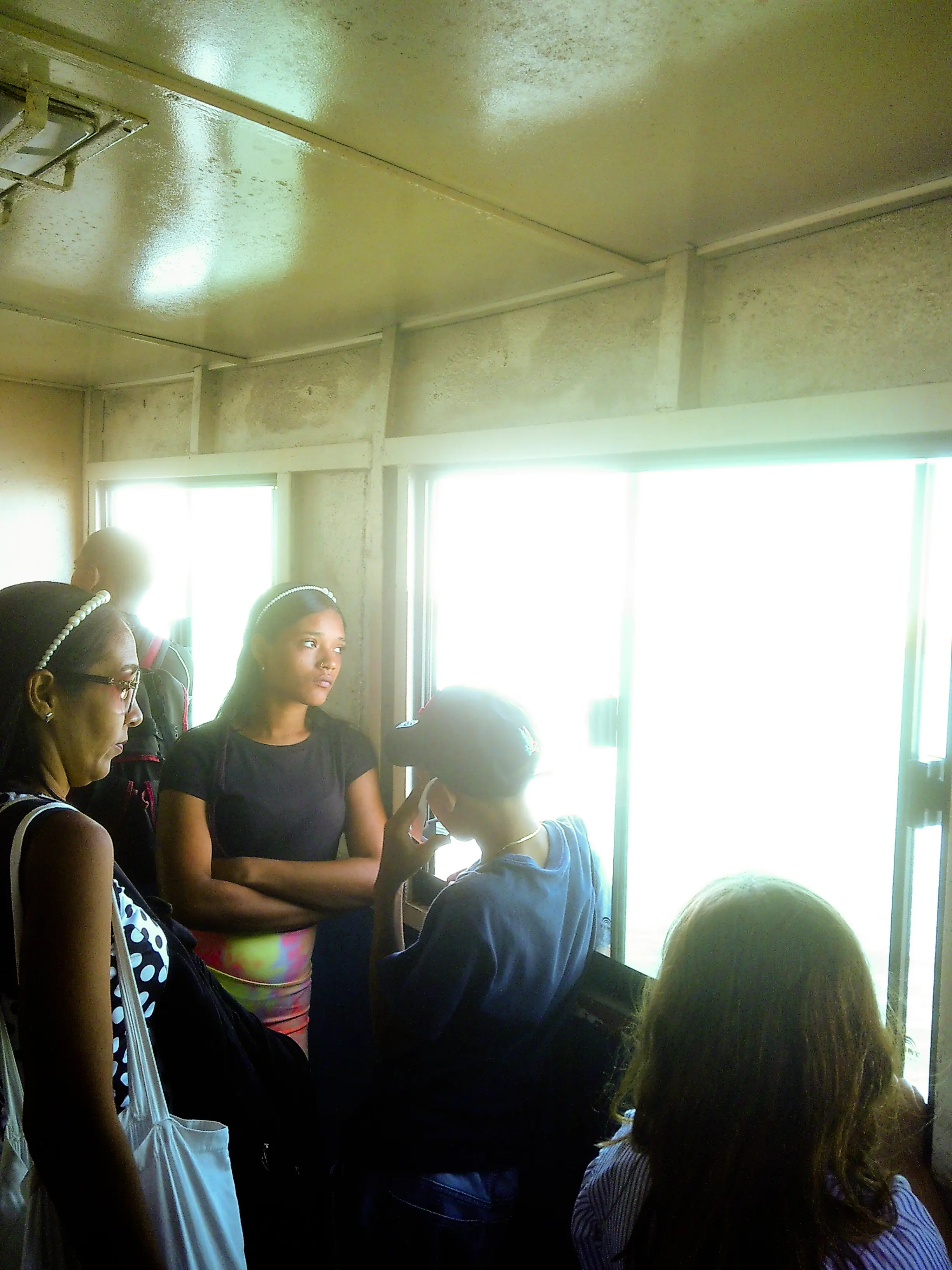
All photos were taken with a screen-less Camp-Snap low quality camera
(c) Mario Mariniello 2026.